Preventive Maintenance: The Key to Efficient Industrial and Commercial Cleaning

The Secret Weapon of Cleaning: How Preventive Maintenance Saves You Big

In the competitive world of industrial and commercial cleaning, where time and money are gold, there is a secret weapon that can give you a significant advantage: preventive maintenance.

What is preventive maintenance?

It is the practice of inspecting and servicing equipment and facilities on a regular basis to identify and correct potential problems before they cause costly downtime or accidents.

Why is it so important?

  • Minimizes downtime: By detecting and solving problems before they escalate, you reduce the time your equipment will be out of service, which means increased productivity and less economic loss.
  • Reduces repair costs: It is much cheaper to fix a small problem in its early stages than to repair major damage after a breakdown occurs.
  • Extends the life of your equipment: Preventive maintenance helps your equipment function properly for longer, saving you money on buying new equipment.
  • Improves safety: A clean and well-maintained work environment is a safer environment for your employees, reducing the risk of accidents and the costs associated with them.

How to create an effective preventive maintenance plan?

  • Define your goals: What do you want to achieve with your maintenance plan? Reduce downtime? Extend the life of your equipment?
  • Identify your equipment and facilities: Make a list of all equipment and facilities that need preventive maintenance.
  • Establish a maintenance frequency: Determine how often preventive maintenance should be performed for each piece of equipment and facility.
  • Develop a task schedule: Define the specific tasks that need to be performed during each inspection and service.
  • Assign responsibilities: Define who will be responsible for performing each task.
  • Document your plan: Write down your preventive maintenance plan and make sure everyone involved knows and follows it.
A diverse group of healthcare and EVS staff members standing in a heart formation in a tiled atrium, all making heart gestures with their hands.

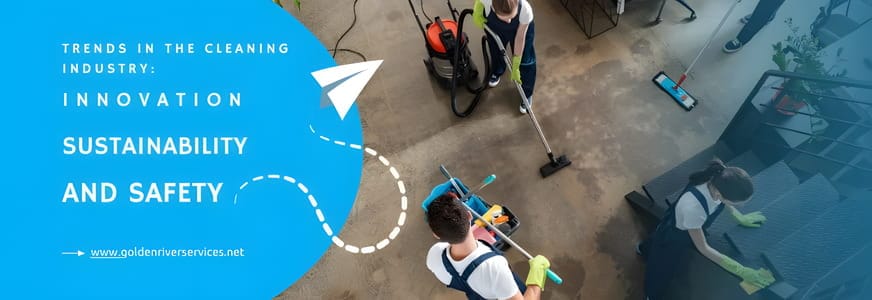
Trends in the Cleaning Industry: Innovation, Sustainability, and Safety

Trends in the Cleaning Industry: Innovation, Sustainability, and Safety

The cleaning industry is constantly evolving, with new technologies, regulations, and best practices emerging all the time. In this blog post, we will explore some of the key trends that are shaping the future of the cleaning industry.

Trends in the Cleaning Industry: Innovation, Sustainability, and Safety

New Products and Technologies

One of the most significant trends in the cleaning industry is the rise of new products and technologies. These innovations are helping to improve the efficiency, effectiveness, and sustainability of cleaning operations.

Some of the most notable new products and technologies in the cleaning industry include:

  • Robots: Robots are becoming increasingly common in the cleaning industry. These autonomous machines can perform a variety of tasks, such as sweeping, mopping, and vacuuming. Robots can free up workers to focus on more complex tasks and can help to improve the overall efficiency of cleaning operations.
  • Green cleaning products: Green cleaning products are made with sustainable and environmentally friendly ingredients. These products can help to reduce the environmental impact of cleaning operations and can also be safer for workers and building occupants.
  • Internet of Things (IoT) devices: IoT devices are being used in the cleaning industry to collect data and track the performance of cleaning equipment. This data can be used to improve the efficiency of cleaning operations and to identify areas that need additional attention.
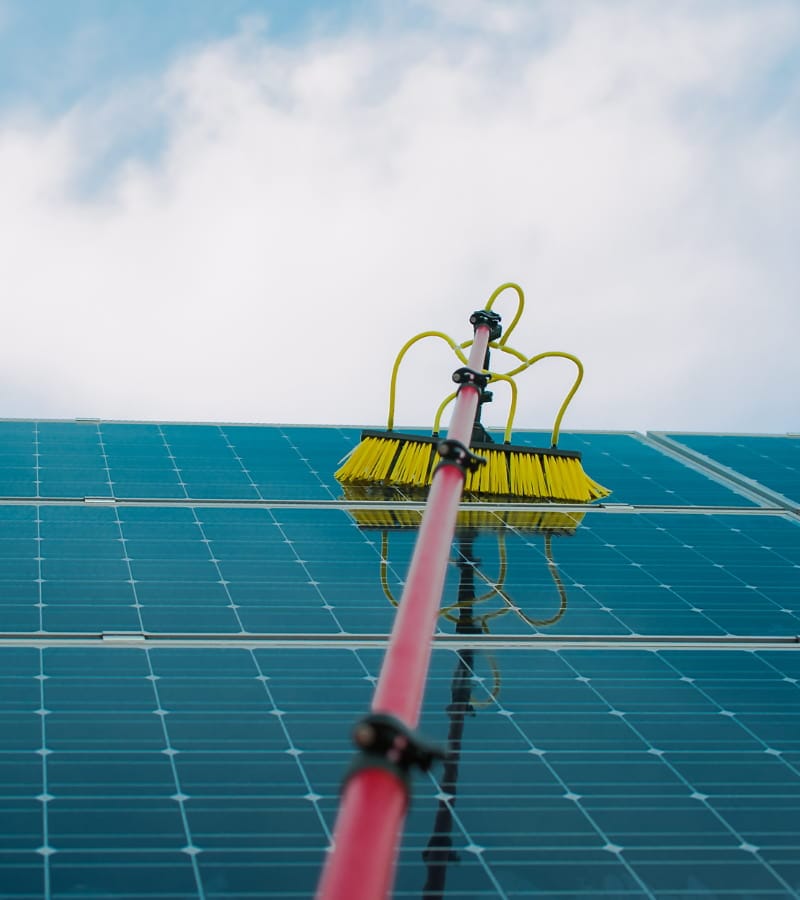
Man cleaning solar panels

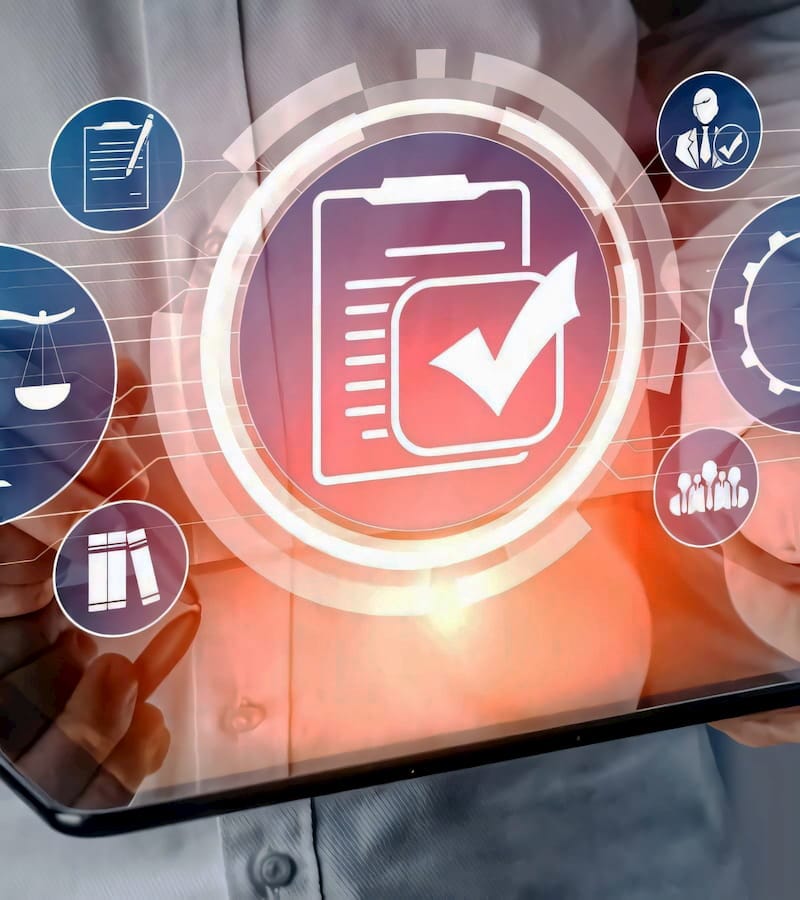
Environmental Regulations

The cleaning industry is also being impacted by increasingly stringent environmental regulations. These regulations are designed to protect the environment and human health.

Some of the most important environmental regulations that are impacting the cleaning industry include:

  • The European Union’s REACH Regulation: The REACH Regulation is a European Union regulation that requires manufacturers and importers to register the chemicals they use in their products. This regulation is designed to improve the safety of chemicals and to reduce the risks posed by hazardous substances.
  • The United States’ Toxic Substances Control Act (TSCA): TSCA is a United States law that regulates the manufacture, distribution, and use of chemicals. TSCA is currently being updated to improve the safety of chemicals and to reduce the risks posed by hazardous substances.
The cleaning industry is also being impacted by increasingly stringent environmental regulations. These regulations are designed to protect the environment and human health.